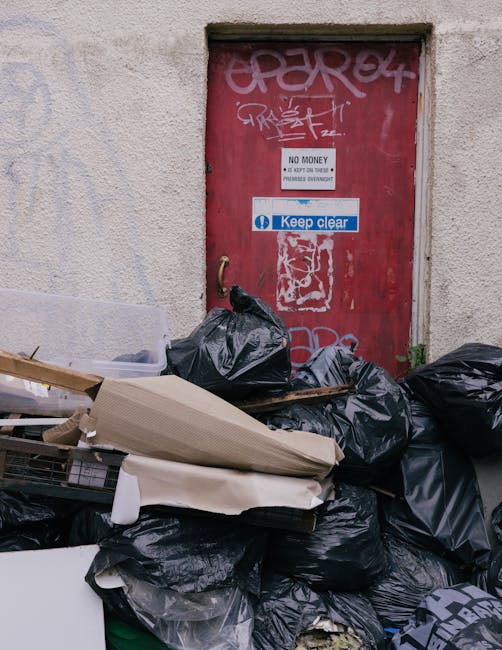
Real cost of Hoxton garden clearance and green waste
If you are staring at a garden full of clippings, old pots, broken branches, and that stubborn pile of green waste that seems to grow after every weekend tidy-up, you are probably asking the same thing everyone asks: what is the real cost of Hoxton garden clearance and green waste? The honest answer is that it depends on volume, access, labour, disposal, and how much sorting is needed before anything can leave the property. That sounds a bit vague, I know, but it is the truth. In a busy part of London like Hoxton, a "simple clearance" can turn into a more involved job surprisingly fast.
This guide breaks down the costs, the hidden extras, and the practical ways to keep the job efficient without cutting corners. You will also see when garden clearance makes sense, what affects the final price, and how to compare options properly. If you are trying to budget sensibly rather than guess wildly, you are in the right place.
Why real cost matters
Garden clearance is one of those jobs that can look straightforward from the street and then become a bit of a tangle once work starts. A few bags of hedge trimmings are one thing. A neglected back garden with wet soil, overgrown beds, a snapped fence panel, and mixed rubbish is another story entirely.
The real cost matters because it helps you compare quotes properly and avoid paying for vague, catch-all pricing that leaves you exposed to extras later. It also matters for planning. If you know the likely cost range, you can decide whether to book a one-off clearance, split the work into stages, or combine it with ongoing garden maintenance so the problem does not keep creeping back.
In practical terms, you are paying for more than just someone lifting sacks. You are paying for time, labour, loading, sorting, transport, tip or recycling fees, and the know-how to handle awkward waste properly. Truth be told, the cheap quote is not always the cheap job.
Expert summary: The true price of garden clearance in Hoxton is shaped by access, waste type, labour time, and disposal costs. The cleanest quotes are the ones that explain what is included and what is not.
How real cost of Hoxton garden clearance and green waste works
Most garden clearance jobs are priced using a mix of visible and invisible factors. The visible part is easy: the amount of green waste, the size of the garden, and whether there are bulky items like timber, soil, or old garden furniture. The less visible part is what usually changes the bill.
What typically affects the price
- Volume of waste: small bags of cuttings cost far less than a full garden load.
- Waste type: clean green waste is usually simpler to handle than mixed waste with wood, soil, or non-garden debris.
- Access: narrow side returns, basement gardens, upstairs terraces, and long carry distances add labour time.
- Condition of the garden: a tidy cut-back is easier than a badly overgrown clearance with hidden debris.
- Sorting and loading time: waste often needs separating before removal.
- Equipment needed: bags, barrows, loppers, saws, protective gear, and sometimes extra manpower.
- Disposal route: recycling and licensed disposal are part of the real cost.
Think of it like this: one garden may take a team 45 minutes to clear, while another looks similar at first glance but needs several trips, careful cutting, and a proper sort because the waste is mixed. Same street, same postcode, different job. You can see why prices vary.
If the garden includes trees that need cutting back or removing, the cost can move into a different category altogether. In that case, work may overlap with tree surgery or tree lopping and removal, especially where branches are heavy, overhanging, or difficult to access.
A sensible way to think about pricing
Rather than asking, "How much does garden clearance cost?" it is better to ask, "What exactly is included in this quote?" A good quote should make clear whether it covers labour only, labour plus waste removal, or a full service with sorting and disposal. If you are comparing providers, their pricing and quotes page should help you understand how estimates are usually built.
Key benefits and practical advantages
Garden clearance is not just about making the space look tidy for a weekend. There are real practical upsides, and in Hoxton they matter because outside space is often tight, visible, and used hard.
- Immediate usability: you get your garden back as a usable space rather than a storage zone for cuttings.
- Less fire and trip risk: piles of dry waste, broken pots, and loose debris are awkward and avoidable hazards.
- Better plant health: clearing dead material can improve airflow and light.
- Cleaner boundaries: you spot broken fencing, damaged paving, or drainage issues sooner.
- Easier future upkeep: once the clutter is gone, regular upkeep becomes far simpler.
- Improved disposal: proper sorting makes recycling and sustainability easier to manage.
There is also a mental benefit people often underestimate. A cleared garden feels lighter. Sounds a bit sentimental, maybe, but step into a tidy yard after weeks of clutter and you will notice the difference straight away. The space feels bigger. Less noisy. More yours.
For some homeowners, garden clearance is the first stage before a larger refresh or landscaping project. If that is your plan, it can be smart to align clearance with landscaping or landscape gardening so you are not paying twice to move the same material.
Who this is for and when it makes sense
Garden clearance and green waste removal suits more people than you might think. It is not only for people with wild, overgrown gardens. It also helps if you have a small outdoor space and simply do not have the time, tools, or disposal access to handle the waste properly.
It makes sense if you are:
- a homeowner preparing a garden for spring, summer, or a house sale
- a landlord between tenancies
- a tenant with agreement to tidy and return the garden in good order
- a busy family who has let garden jobs stack up
- someone with mature shrubs, hedges, or trees that shed heavily
- a property manager dealing with a neglected or inherited outdoor space
It is also a good fit if the job has outgrown simple bin-bag disposal. Once you start dealing with thick branches, root balls, heavy pots, or a mix of green waste and old timber, handling it yourself can become time-consuming very quickly. One afternoon disappears. Then another. Then the driveway is full and the skip is still not booked. Not ideal.
If the job is mainly routine trim and tidy work, you may only need support from gardening services, or perhaps a lighter touch through hedge trimming, lawn mowing, or lawn care. That is often the more cost-effective route if the garden does not need a full reset.
Step-by-step guidance
If you want the real cost to stay under control, the process matters. The better prepared you are, the less likely it is that the job grows arms and legs halfway through.
- Walk the garden properly. Check borders, sheds, corners, under hedges, and behind planters. Hidden waste is where pricing surprises begin.
- Separate green waste from mixed waste. Branches, grass, leaves, and hedge clippings are usually simpler than rubble, plastic, or broken household items.
- Identify access points. Measure gate widths, note steps, and see how far waste has to be carried. That matters more than people expect.
- Decide what is staying. Mark any pots, furniture, plants, or features you want retained. It avoids accidental removal. A small but important thing.
- Ask for a written quote. Make sure the quote states what is included, whether disposal is covered, and whether there are access or uplift charges.
- Book at the right time. If the job is seasonal and growth is heavy, plan ahead. After a few weeks of wet weather, green waste can weigh more than it looks.
- Check the finish. Before the team leaves, confirm the garden is clear, swept, and that anything agreed to remain is still in place.
A useful shortcut: if you are not sure how much waste you have, take a few clear photos from different angles. That helps a provider judge the likely workload without overpromising. And yes, one photo of the "good side" is rarely enough.
Expert tips for better results
Here is where small choices save real money. Not dramatic money, perhaps, but enough to matter when you are comparing options.
- Bundle jobs together: if hedge cuttings, lawn cut, and general tidying are all needed, doing them in one visit is often more efficient than separate callouts.
- Clear access before the team arrives: move cars, unlock gates, and remove anything blocking the path.
- Be honest about the mess: a "quick tidy" that turns into a bramble battle is nobody's favourite surprise.
- Use the clearance as a reset: once the waste is gone, think about whether the garden needs edging, pruning, or fencing repairs next.
- Consider maintenance after clearance: regular visits can stop the same cost from returning every few months.
A small, practical point: if you have dense ivy, thorny growth, or awkward evergreen cuttings, the labour can rise because the material does not compress nicely. It's the sort of detail nobody sees until the bags start stacking up.
If your garden also needs hard-surface cleaning after clearance, it may be worth pairing the job with patio cleaning. Clearing the green waste first can expose the paving properly, which gives a much better final result.
Common mistakes to avoid
Some mistakes are tiny. Others are expensive. Most are preventable.
- Accepting a quote with no detail: if the provider does not explain what is included, you may face add-ons later.
- Underestimating access problems: a garden that looks simple from the front can be awkward to reach behind the property.
- Mixing waste types without saying so: soil, rubble, treated timber, and green waste are not always priced the same way.
- Leaving hidden waste in borders: old netting, broken tools, and buried debris can slow the job down.
- Ignoring safety concerns: overgrown gardens can hide glass, nails, uneven ground, and unstable edges.
- Assuming "green waste" means everything organic: not always. Some items still need separate handling.
One of the most common oversights is timing. If you wait until the garden has become heavily overgrown, the cost rises because the cut-back is no longer a light tidy. It becomes a clearance. Same garden, very different bill.
Tools, resources and recommendations
You do not need a warehouse of kit, but it helps to know what a proper clearance usually involves. Even if you are outsourcing the work, understanding the tools gives you a better sense of the labour involved.
Common tools used in garden clearance
- loppers and secateurs for smaller branches and stems
- pruning saws for thicker woody material
- rakes and tarpaulins for gathering loose waste
- heavy-duty sacks and bins for bagging cuttings
- barrows for moving heavier loads through narrow access
- protective gloves, eye protection, and sturdy footwear
On the planning side, the most useful resource is a clear quote process. A well-structured pricing and quotes page can help you understand whether the provider is estimating by job size, waste volume, labour time, or a combination of all three.
It is also worth checking how waste is handled after collection. A professional approach usually includes sorting, recycling where suitable, and responsible disposal. That is where recycling and sustainability become relevant, especially when you want the job done cleanly rather than just quickly.
Law, compliance, standards, or best practice
For most households, the big compliance issue is not complex law; it is making sure waste is handled responsibly and safely. That sounds basic, but in real life it is where corners are sometimes cut.
Good practice usually means the waste carrier is clear about what they remove, how it is transported, and where it goes. If you are hiring someone to clear a garden, it is sensible to expect safe loading, sensible use of protective gear, and careful handling of sharp or heavy material. That is especially true in tight Hoxton spaces where neighbours, shared access, and parked cars can add complications.
In a practical sense, look for providers who are transparent about their health and safety policy and insurance and safety. Those pages are useful because they show whether the business takes risk seriously rather than treating it as an afterthought. Nobody wants a quick tidy turning into a trip hazard, a damaged fence, or a mess left in the shared passageway.
Best practice also includes respectful conduct around neighbours, clear communication on arrival, and leaving the site tidy. That may sound obvious, but you only need one bad experience to appreciate it. To be fair, a calm, organised team makes a huge difference on a narrow London street.
Options, methods, or comparison table
When comparing ways to deal with garden waste, cost is only one part of the story. Time, convenience, and disposal responsibility matter too.
| Option | Best for | Pros | Trade-offs |
|---|---|---|---|
| DIY bagging and bin use | Very small amounts of light green waste | Lowest direct spend, easy for a few handfuls of clippings | Slow, physically demanding, limited by bin space and collection rules |
| Hire a one-off clearance service | Moderate to large clearances | Fast, practical, includes loading and disposal | Higher upfront cost than doing it yourself |
| Regular garden maintenance | Ongoing upkeep after a tidy-up | Prevents waste build-up, often easier to budget | Not ideal if the garden already needs a full reset |
| Combined clearance and landscaping prep | Renovation or redesign projects | Efficient if you are changing the space anyway | Can be more expensive if the scope is not well defined |
For many Hoxton households, the sweet spot is a one-off clearance followed by lighter routine work. That way you are not paying to repeatedly remove the same material. If the garden is part of a larger outdoor project, it can also make sense to combine the work with fencing or decking services after the clearance is complete.
Case study or real-world example
Imagine a compact rear garden in Hoxton with a narrow side access, several bags of hedge trimmings, a few heavy branches, and a patch of overgrown beds. At first glance, it looks like a quick half-day job. Then the team notices the access is tight, the waste is mixed, and the branches need cutting down before they can be moved safely.
In that sort of situation, the price is driven less by the number of visible bags and more by the time spent on extraction, cutting, and loading. A lighter garden with easy access might be cleared quickly and cheaply. This one will not be. It is not about being difficult; it is about the actual work required.
Now compare that with another job: a small, neatly maintained courtyard where the owner has already stacked the green waste, separated the pots, and cleared the path. That job is smoother, quicker, and usually easier to price. Same postcode, very different workload.
That is why a proper quote conversation matters so much. A provider that asks about access, waste type, and what you want kept is far more likely to give you a realistic price than someone who throws out a number and hopes for the best. Honestly, that's the one you want to avoid.
Practical checklist
Use this before you request a quote or book a visit.
- Walk the whole garden and note all waste piles
- Separate green waste from rubble, timber, and household rubbish
- Check side access, gates, and carry distances
- Identify anything that must stay in the garden
- Take clear photos from more than one angle
- Ask what the quote includes and excludes
- Confirm whether disposal and recycling are covered
- Ask about insurance and safety procedures
- Choose a time when access is easiest
- Plan what happens after clearance, such as maintenance or landscaping
If you want a broader view of the business behind the work, you can also read about us before making a decision. It is a simple step, but it helps you judge whether the provider feels organised and transparent.
Conclusion
The real cost of Hoxton garden clearance and green waste is not just about how many bags leave the property. It is about labour, access, waste type, disposal, and how carefully the job is planned. Once you understand those pieces, pricing becomes much easier to judge, and the risk of nasty surprises drops away quite a bit.
The smartest approach is usually the practical one: get a clear quote, describe the garden honestly, and think about whether you need one-off clearance or longer-term upkeep. A tidy garden is not just nicer to look at. It is easier to live with, easier to maintain, and usually cheaper to keep under control than a neglected one. Simple, but true.
If you are weighing up your next step, start with a clear estimate and a proper conversation about the scope of work. Small decisions now can save a lot of effort later, and that is no bad thing.
Get a free quote today and see how much you can save.
Frequently Asked Questions
What is included in garden clearance and green waste removal?
Usually, it includes collecting, loading, and removing garden waste such as grass cuttings, hedge trimmings, leaves, branches, and other organic debris. Some jobs also include sorting and light tidying, but it depends on the quote. Always check whether disposal is included.
Why does the cost vary so much from one Hoxton garden to another?
Because the real work is not always obvious. Access, waste volume, the presence of heavy branches or mixed rubbish, and the amount of time needed to carry waste out all affect the final price.
Is green waste cheaper to remove than mixed garden waste?
In many cases, yes. Clean green waste is usually simpler to sort and dispose of than mixed waste containing timber, soil, plastic, or other non-garden items. But each job is still priced on the full workload, not just the label.
Can I save money by bagging everything myself?
Sometimes. If the waste is light and easy to move, pre-bagging can help. But if you bag the wrong materials together or make the job harder to inspect, it may not save much. The key is to make the site easy to assess and easy to load.
Do I need garden clearance before landscaping work?
Often, yes. A clear space makes it easier to plan changes, level ground, install features, or carry out redesign work. If you are considering a bigger outdoor project, clearance usually comes first.
How do I know if a quote is fair?
A fair quote should explain what is being removed, how much labour is involved, whether disposal is included, and whether access affects the price. If it is vague, that is a warning sign. Not always a deal-breaker, but worth questioning.
What if my garden includes branches, soil, and old fence panels?
That becomes a mixed job rather than simple green waste removal. It may still be manageable, but the price will usually reflect the extra handling and disposal requirements. In some cases, the work may overlap with fencing or tree-related services.
How long does a typical garden clearance take?
It can be anything from under an hour for a small tidy-up to several hours for a larger or more overgrown space. Access, waste density, and the need for cutting or sorting all influence the timing.
Is it worth combining clearance with ongoing maintenance?
Usually, yes, if you want to avoid the same build-up returning. A one-off clearance resets the space, while garden maintenance helps keep costs steadier over time.
What should I ask before booking?
Ask what is included, whether disposal is covered, how access is handled, whether there are extra charges for bulky waste, and how the team deals with recycling and safety. If they answer clearly, that is a good sign.
Can I use the same service for hedges, lawns, and clearing waste?
Yes, many jobs naturally overlap. If your garden needs trimming, mowing, or a general tidy as part of the clearance, it may be more efficient to combine it with hedge trimming, lawn mowing, or broader gardening services.
What happens to the green waste after collection?
Good practice is for it to be sorted, recycled where possible, and disposed of responsibly. Providers should be transparent about their recycling and sustainability approach so you know the waste is being handled properly.