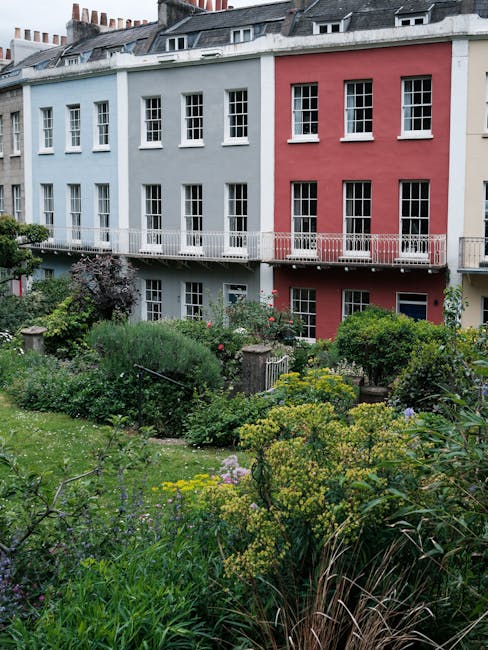
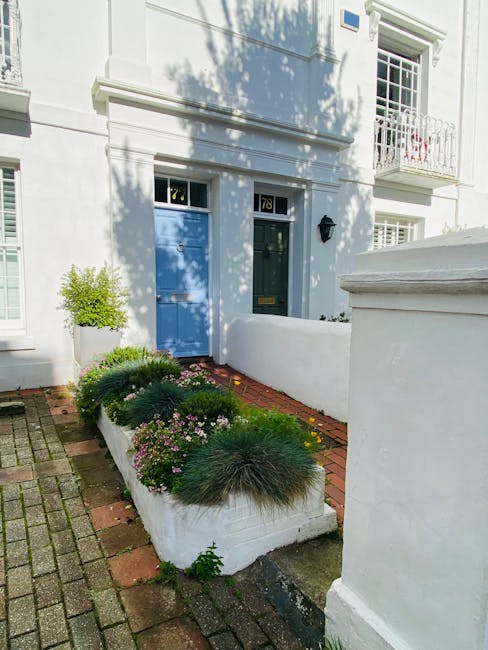
Hoxton Square Front Garden Design and Gardeners Guide
If you are planning a front garden in Hoxton Square, you are usually juggling a few things at once: a small footprint, street-facing visibility, neighbours close by, and the very real need for something that looks good without becoming a weekly chore. That is exactly where a practical Hoxton Square front garden design and gardeners guide earns its keep. It is not just about plants. It is about shaping a space that feels tidy, welcoming, resilient, and genuinely usable from the moment you step outside.
In a place like Hoxton Square, a front garden can do a surprising amount of work. It sets the tone for the property, softens hard edges, helps with privacy, and can turn a plain entrance into something memorable. The trick is to design for the realities of London living: shade from buildings, patchy light, dust, wind tunnelling between houses, and the fact that most people do not want a high-maintenance mini-jungle by the railings. Let's face it, nobody wants to spend Saturday morning fighting bindweed and apologising to the rosemary.
In this guide, you will find a clear, human, and properly practical approach to front garden design in Hoxton Square. We will cover layout, planting, maintenance, common mistakes, and what a good gardener actually does at each stage. If you need broader help with ongoing upkeep, you may also find our garden maintenance support useful later on.
Table of Contents
- Why Hoxton Square front garden design and gardeners guide matters
- How Hoxton Square front garden design and gardeners guide works
- Key benefits and practical advantages
- Who this is for and when it makes sense
- Step-by-step guidance
- Expert tips for better results
- Common mistakes to avoid
- Tools, resources and recommendations
- Law, compliance, standards, or best practice
- Options, methods, or comparison table
- Case study or real-world example
- Practical checklist
- Conclusion
- Frequently asked questions
Why Hoxton Square front garden design and gardeners guide Matters
Front gardens are different from back gardens. They are on display all the time, they usually take more wear from weather and passers-by, and they have to look composed even when life is busy. In Hoxton Square, that matters even more because the street scene is part of the appeal. A good front garden does not shout. It quietly lifts the whole property.
There is also a practical side that people sometimes overlook. A front garden can improve drainage, reduce muddy footprints, give space for containers or low hedging, and create a softer threshold between public and private space. For terraced homes and period properties especially, the front boundary is often where the first impression lives. You notice it instantly when the planting is balanced and the paving is clean; you notice it even more when it is not.
Good design also reduces future hassle. A front garden built around the right soil, aspect, and upkeep schedule is far easier to live with. By contrast, a decorative but poorly considered layout can become a constant source of pruning, leaf clearing, pest issues, and awkward access. That is why a gardeners guide is so valuable: it turns taste into something maintainable.
Expert summary: the best front gardens in Hoxton Square are usually not the most elaborate ones. They are the ones that match the building, the light, and the owner's actual habits. Fancy is fine. Maintainable is better.
How Hoxton Square front garden design and gardeners guide Works
A strong front garden plan starts with observation. Before choosing plants or materials, a gardener should look at how the space behaves through the day. Where does the morning light land? Is there harsh afternoon exposure? Does wind whip through the front path? Does the soil dry out fast, or stay damp near the base of the house? These details shape everything else.
From there, the design usually breaks into four layers:
- Structure: paths, edging, fencing, steps, railings, or low walls.
- Planting framework: evergreen backbone plants, shrubs, climbers, and ground cover.
- Surface choice: soil, mulch, gravel, paving, or a mixed scheme.
- Maintenance rhythm: watering, pruning, feeding, weeding, and seasonal tidy-ups.
The gardener's job is to make those layers work together. That might mean using evergreen structure at the back, seasonal colour at the front, and compact ground cover to reduce bare soil. Or it could mean a container-led layout for a very narrow frontage where permanent beds would feel too crowded. There is no single correct formula. There is only the right answer for your specific site.
In small London front gardens, less can genuinely be more. One clean border, a couple of strong shrubs, and a well-chosen climber often create a better result than a crowded planting mix. If vertical interest is needed, our article on vertical gardening solutions is a helpful companion piece.
Key Benefits and Practical Advantages
A well-designed front garden offers more than curb appeal. It can genuinely improve how a home feels and functions day to day. Here are the main benefits people tend to notice first.
- Better first impressions: neat planting and thoughtful structure make a property feel cared for.
- Lower maintenance: the right planting scheme reduces weeds and keeps seasonal work manageable.
- Improved privacy: low hedges, climbers, or layered planting can soften sightlines without making the home feel closed off.
- Better microclimate control: shrubs and climbers can help buffer wind and create shelter near entrances.
- More usable space: even a tiny front area can support containers, scent planting, or a small seating nook.
- Stronger property identity: the garden becomes part of the home's character rather than an afterthought.
There is also an emotional benefit, and this one is easy to underestimate. A front garden is often the first thing you see when you leave in the morning and the last thing you see when you come back. If it is calm, balanced, and alive, it changes the tone of the day a bit. Not in a dramatic way. Just enough.
For some homeowners, the biggest win is simply reducing garden neglect. If that sounds familiar, have a look at where to begin with neglected gardens. It is often the most sensible starting point.
Who This Is For and When It Makes Sense
This kind of garden planning makes sense for a wide range of people in and around Hoxton Square. Some are new homeowners with a bare frontage. Others are dealing with a garden that has become overgrown, tired, or oddly patchy over time. And some simply want a front space that feels a little more polished without losing its everyday practicality.
It is especially useful if you are:
- working with a small or narrow frontage;
- wanting a low-maintenance scheme;
- trying to improve privacy without building a fortress;
- dealing with shade from nearby buildings;
- managing a windy, exposed, or very dry spot;
- looking to prepare a property for sale or let;
- simply tired of a front garden that always looks a bit unfinished.
It also makes sense if you are deciding between DIY and professional help. You can absolutely handle some front garden work yourself. But if there is awkward access, poor soil, tree roots, level changes, or a plan that needs proper shaping, a gardener can save a lot of trial and error. To be fair, sometimes the difference is just one good day's work by someone who knows how to read a site quickly.
If your garden needs more than a tidy-up, a broader landscaping approach may be the right route. If you are not sure, that is normal. Most people are not sure at first.
Step-by-Step Guidance
Here is the process we would recommend for a front garden design project in Hoxton Square. It is simple enough to follow, but detailed enough to avoid costly second guesses later on.
- Assess the site honestly. Measure the space, note the light, check for drainage problems, and watch how people actually move through it.
- Decide the purpose. Do you want privacy, colour, structure, scent, storage, a sitting spot, or just a clean welcome?
- Choose the hard landscaping first. Paths, edging, steps, and boundaries should be planned before plant selection.
- Pick a planting style. Evergreen structure, cottage-style softness, contemporary minimalism, wildlife-friendly planting, or container-led design all work differently.
- Select plants for the real conditions. Shade-tolerant plants belong in shade. Drought-tolerant plants belong in dry, sunny places. Obvious, yes. Still skipped all the time.
- Plan maintenance access. Leave enough room to prune, sweep, weed, and water without contorting yourself around a rose bush.
- Set a seasonal rhythm. A front garden needs different attention in spring, summer, autumn, and winter.
One useful approach is to build the garden in layers. Start with structure, add shrubs, then ground cover, then focal accents. If you are looking for good low-growing options, the guide to stunning UK ground covers is worth a read. Ground cover can be a quiet hero in small front gardens.
And if you want scent and useful planting near the door, the article on healthy herb gardens offers practical ideas that also work beautifully in pots and slim borders.
Expert Tips for Better Results
Some of the best front gardens look effortless because the design has done the heavy lifting. That is the bit that is easy to miss. Here are a few tips that make a real difference.
- Keep the planting palette controlled. Three to five repeated plant types usually looks calmer than a long shopping list of one-offs.
- Use evergreen structure. A front garden often needs something that looks good in February as well as June. Evergreen climbers or shrubs can hold the whole design together.
- Prefer texture over clutter. Mixed leaf shapes, subtle flower colour, and good spacing often outperform crowded colour schemes.
- Think in sightlines. From the pavement, from the doorway, and from upstairs windows: each view matters a little differently.
- Design for weather, not wishful thinking. Hoxton can be breezy, and exposed planting needs support. If your frontage catches wind, this guide on mitigating wind damage translates well to front gardens too.
- Trim with intention. A neat hedge or clipped shrub can make a small garden feel twice as composed. For technique ideas, see sculptural hedge trimming.
A little restraint goes a long way. People often want "more garden", but the better goal is usually "more coherence". That is the part visitors notice, and the part that still feels good six months later.
For compact spaces, I also like using container layering near the doorway. A tall pot, a medium pot, and a low seasonal planter can create a clean entrance without eating up precious ground area. There is a nice practical breakdown in container gardening explained.
Common Mistakes to Avoid
Front gardens can go wrong in ways that are surprisingly predictable. Most of the time, the problem is not bad taste. It is poor planning.
- Overplanting. New gardens often look sparse for a season. That does not mean they need filling to the brim. Plants need air and room to grow.
- Ignoring the aspect. A full-sun planting list in a shady frontage is a recipe for disappointment.
- Choosing high-maintenance novelty plants. If you are rarely at home, or just busy, choose resilience over fuss.
- Forgetting access. A beautiful bed that blocks the path becomes annoying very quickly.
- Using too many surface types. Gravel, paving, bark, stepping stones, and edging all together can look busy fast.
- Neglecting drainage. Water sitting by the house is not something to shrug off.
A very common issue in Hoxton Square is assuming a small space can be maintained with the same approach as a larger suburban garden. It cannot, really. Small spaces magnify mistakes. The good news is they also reward good decisions very quickly.
If you are already dealing with thick growth, brambles, or old climbers that have taken over, the guide on removing ivy is useful background before any redesign.
Tools, Resources and Recommendations
You do not need a van full of gear to manage a front garden well. But the right tools make the work cleaner, faster, and less tiring. A small set of dependable items usually beats a pile of gadgets.
- Hand fork and trowel: for planting, weeding, and dividing small perennials.
- Bypass secateurs: best for clean cuts on living stems and small shrubs.
- Border spade or narrow shovel: helpful in tighter beds where a standard spade is clumsy.
- Sturdy watering can or hose with control nozzle: front gardens need targeted watering, not a flood.
- Garden gloves and kneeler: simple, but they make maintenance feel less like punishment.
- Leaf rake and hand brush: useful for keeping paths and entrances crisp.
On the planning side, a few resources matter more than people expect. Photographs taken in the morning and evening can reveal light patterns. A rough sketch on paper can stop you from overcommitting to a planting layout. And a basic maintenance calendar can save a lot of "I'll do it next week" chaos. We have all been there.
If you are shopping around for professional support, it helps to compare what you actually need rather than just looking for the cheapest quick fix. Our pricing and quotes page is a sensible place to start if you want to understand how work is usually scoped.
For ongoing improvements, you may also want to explore general gardening services or specific help such as lawn care if your front garden includes turf.
Law, Compliance, Standards, or Best Practice
Front garden work in a built-up area is usually straightforward, but it still pays to be careful. In London, the practical issues tend to be access, boundary lines, safety, drainage, and avoiding nuisance to neighbours. That sounds dry. It is not glamorous. But it matters.
Some points worth keeping in mind:
- Do not assume boundary ownership. If a hedge, wall, or fence sits near a boundary, verify what belongs where before making major changes.
- Check for services underground. Before digging, it is sensible to be sure there are no hidden utilities or shallow services.
- Manage trip hazards. Front paths and steps should stay clear, stable, and easy to use.
- Keep visibility in mind. High, dense planting near entrances can be lovely, but not if it makes the area feel unsafe or awkward.
- Use safe work practices. Good gardeners follow practical health and safety habits, especially when using ladders, sharp tools, or power equipment.
If you are hiring someone, it is reasonable to ask about insurance, safety procedures, and how they handle waste or access. That is normal. It is not being difficult. A trustworthy company should be able to explain this clearly, and often better than you expect. You can also review the site's health and safety policy and insurance and safety information if you want added reassurance.
Where a project involves trees, roots, or heavy pruning near the front boundary, tree work may need specialist input. In that case, tree surgery support can be a safer and more efficient route than trying to tackle it casually.
One more thing: if your garden design involves fences or screening, make sure the finished result is sturdy and appropriate for the site. A wobbly boundary is one of those things that seems minor until the first strong wind. Then it is all anyone can hear.
Options, Methods, or Comparison Table
There are several good ways to approach a front garden in Hoxton Square. The right method depends on your budget, style, and how much maintenance you can realistically commit to. Here is a simple comparison.
| Approach | Best for | Advantages | Watch-outs |
|---|---|---|---|
| Low-maintenance evergreen border | Busy households and year-round structure | Looks tidy in all seasons, easier upkeep | Can feel plain if texture and spacing are ignored |
| Container-led design | Very small front gardens or paved entrances | Flexible, changeable, good for seasonal colour | Needs watering and feeding more often |
| Soft planted border with ground cover | Homes wanting a natural but neat look | Reduces bare soil and weed pressure | Needs an initial establishment period |
| Hedge and screening scheme | Homes needing privacy from street level | Strong structure, clean boundaries | Requires regular trimming and careful species choice |
| Mixed hard and soft landscaping | Front gardens with poor shape or access issues | Balanced, practical, often highly polished | Needs thoughtful planning to avoid a cluttered look |
If privacy is a major issue, it may be worth comparing hedge options before you settle on a design. Our article on fast-growing hedges for privacy is a useful reference point. For some homes, that is the missing piece.
Case Study or Real-World Example
Here is a realistic example from the sort of front garden project that comes up a lot in Hoxton Square. A homeowner had a narrow frontage with tired soil, a patchy path, and one side that received more shade than sun. The garden looked a bit forgotten, truth be told. Not disastrous, just awkward and unloved.
The design approach was simple:
- clean and re-edge the front border;
- improve the soil with organic matter;
- install a narrow planting structure along the wall;
- use evergreen backbone planting for winter presence;
- add low ground cover to suppress weeds;
- place two matching containers near the entrance for symmetry.
The result was not flashy. That was the point. It looked calm, proportionate, and easy to live with. The entrance felt lighter. The path looked wider. The owner no longer had to stare at bare soil and think, "I should really sort that out," every time they left the house. Which, let's be honest, is a small but meaningful victory.
That project also benefited from a light seasonal maintenance routine rather than frequent heavy work. The main task became keeping the shape and surfaces tidy, rather than constantly fixing problems. If that sounds like the kind of outcome you want, the broader about our team page can give you a sense of the service approach behind that kind of result.
Practical Checklist
Use this quick checklist before you start a front garden project in Hoxton Square.
- Measure the space accurately, including the width of the path and any awkward corners.
- Note sun, shade, wind, and damp spots through the day.
- Decide whether the priority is privacy, style, low maintenance, or all three.
- Check the condition of soil, edging, and drainage.
- Remove obvious weeds, dead growth, and unwanted self-seeders first.
- Choose a limited plant palette with repeated shapes and colours.
- Leave enough access for pruning and cleaning.
- Plan how often you will water, trim, and tidy the space.
- Consider whether boundary work, tree work, or fencing is needed.
- Get a professional opinion if the site feels awkward, sloped, or overgrown.
Practical takeaway: a front garden becomes much easier once you make the design serve the site instead of trying to force the site to serve the design.
Conclusion
A thoughtful Hoxton Square front garden is not about perfection. It is about balance. The right layout, the right plants, and the right maintenance plan can turn even a small frontage into something calm, welcoming, and quietly impressive. That is the real goal. Not a showpiece that only looks good for three weeks, but a space that stays pleasant and sensible through the seasons.
If you keep one idea from this guide, let it be this: good front garden design makes life easier, not harder. That means working with the site, choosing plants that fit the conditions, and building in a maintenance rhythm you can actually keep. The rest follows from there.
Get a free quote today and see how much you can save.
If you want a more tailored approach, it may help to speak with a local gardener who understands the pressures of compact London gardens, shared boundaries, and street-facing spaces. A good conversation can save a lot of guesswork, and sometimes that is all you need to get moving again.
And if the garden is feeling a little unruly right now, that is fine. Start small. One border, one path, one good decision at a time.
Frequently Asked Questions
What makes front garden design in Hoxton Square different from other areas?
Hoxton Square front gardens often have tighter spaces, more urban shade, more exposure to wind, and a stronger need for visual tidiness. The design has to work hard without becoming high maintenance.
What plants work best in a small front garden?
Compact shrubs, evergreen structure plants, ground cover, and container-friendly plants usually work well. The best choice depends on light levels, drainage, and how much upkeep you want.
How do I make a front garden look good all year round?
Use evergreen backbone planting, repeat shapes and textures, and include one or two features that stay strong in winter such as clipped shrubs, tidy edging, or evergreen climbers.
Can a front garden be low maintenance and still look stylish?
Absolutely. In fact, many of the best front gardens are low maintenance by design. The key is restraint: fewer plant types, clean structure, and a simple maintenance routine.
Do I need professional help for a front garden redesign?
Not always. But if the space is awkward, overgrown, poorly drained, or involves fencing, trees, or hard landscaping, a professional can save time and avoid mistakes.
How often should a front garden be maintained?
Most front gardens benefit from light, regular attention rather than occasional big clear-ups. A short weekly tidy and a more detailed seasonal review is usually enough for a small space.
What is the best way to add privacy without making the garden feel closed in?
Low hedging, layered planting, and selective screening often work better than tall, solid barriers. You want softness and definition, not a wall that makes the space feel boxed in.
Is container gardening a good choice for Hoxton Square front gardens?
Yes, especially if space is tight or the ground conditions are poor. Containers are flexible and stylish, though they do need more watering and feeding than in-ground planting.
What should I avoid in a front garden redesign?
Avoid overcrowding, ignoring drainage, using too many materials, and choosing plants that are not suited to the light or wind conditions. Those mistakes create more work later.
How do I know if my front garden needs landscaping rather than simple planting?
If the shape, levels, access, or drainage are the real problems, planting alone will not fix them. In that case, a landscaping-led approach is usually more effective.
Can I improve a neglected front garden without starting from scratch?
Yes, often you can. Clearing dead growth, improving the soil, re-edging, and replanting the most visible areas can make a huge difference without a full rebuild.
Where should I start if I feel overwhelmed?
Start with the basics: clear the space, assess the light, and decide what the garden is supposed to do. If it still feels like a mess after that, ask for advice. That is often the fastest way forward.
How can I get help with front garden work in Hoxton Square?
If you want practical help with design, planting, trimming, or maintenance, it makes sense to speak with a local gardening team that understands small London front gardens and can tailor the work to your site.