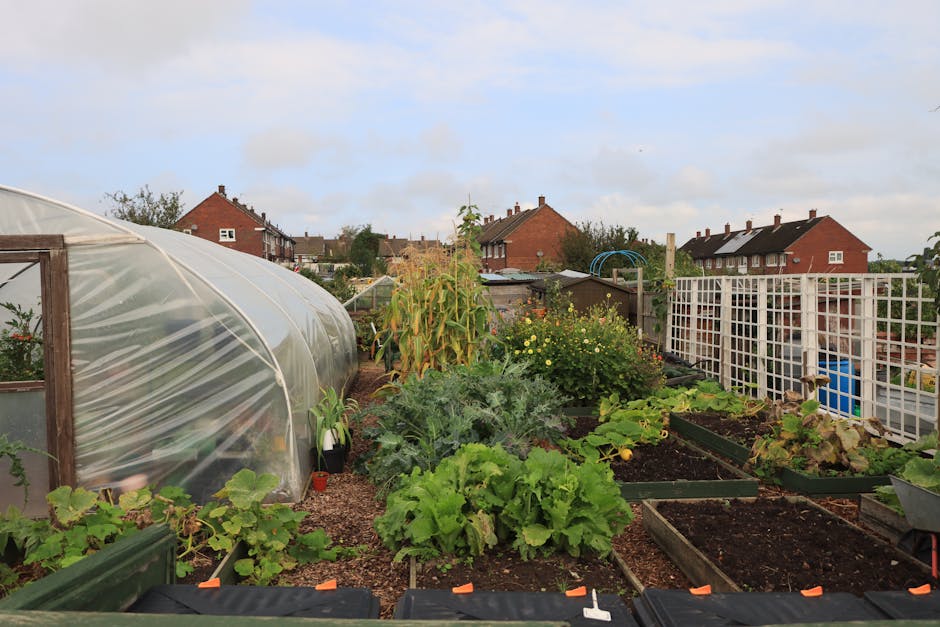
Hoxton Hall Garden Venue Maintenance Guide for Local Gardeners
Keeping a garden venue looking calm, tidy, and genuinely inviting is harder than it first appears. A single windy week, one missed hedge trim, or a patch of compacted soil can throw the whole place off. This Hoxton Hall garden venue maintenance guide for local gardeners brings the work back to earth: what matters, what to do first, and how to keep a venue-ready garden resilient through the year. Whether you are tending a small courtyard, a shared frontage, or a more complex outdoor event space, the aim is the same. You want it to look cared for, function well, and stay safe for visitors, staff, and neighbours alike.
If you have ever walked into a venue garden at 8 a.m. and spotted muddy paths, tired planting, and a hedge that has suddenly decided to become a wall, you will know the feeling. It can be fixed. And, to be fair, with the right routine it is usually easier than people fear.
Table of Contents
- Why Hoxton Hall garden venue maintenance matters
- How venue maintenance works in practice
- Key benefits and practical advantages
- Who this is for and when it makes sense
- Step-by-step guidance
- Expert tips for better results
- Common mistakes to avoid
- Tools, resources and recommendations
- Law, compliance, standards and best practice
- Options, methods, and comparison table
- Case study or real-world example
- Practical checklist
- Conclusion
- Frequently asked questions
Why Hoxton Hall garden venue maintenance guide for local gardeners Matters
Venue gardens are not the same as private back gardens. They need to perform, not just look nice in a photo. People arrive with shoes, coats, bags, strollers, bikes, pets, and the usual mix of hurried energy that comes with local life. A good garden venue has to handle foot traffic, shifting weather, and regular use without becoming messy or unsafe.
That is why a local maintenance approach matters. Hoxton conditions can be a bit unforgiving: exposed corners catch wind, paved edges hold grime, shaded pockets stay damp, and soft planting can look tired after just a few cold days. Local gardeners who understand these patterns can keep a venue looking sharp with less waste and fewer last-minute fixes.
There is also a trust factor. People notice whether a place is cared for. A clipped hedge, clean path, and healthy border quietly tell visitors that someone is paying attention. And in venues where first impressions matter, that small signal goes a long way.
For broader maintenance planning, it helps to think beyond the plants. Clean surfaces, drainage, boundaries, lighting, and access all affect how the garden feels and functions. A practical service mix such as ongoing garden maintenance and patio cleaning can make a venue look much more polished without overcomplicating the job.
How Hoxton Hall garden venue maintenance guide for local gardeners Works
Think of venue maintenance as a loop, not a one-off tidy-up. You inspect, clear, prune, feed, repair, and review. Then you do it again, with seasonal adjustments. That rhythm is what keeps problems small.
In practice, the process usually starts with a condition check. What is thriving? What is blocking access? Where is water pooling? Which areas get the most wear? Once you know that, the work becomes much more targeted. Instead of "tidying the whole garden," you are dealing with specific jobs in a sensible order.
A reliable venue routine usually covers five layers:
- Structure - hedges, trees, fencing, edging, and any permanent features.
- Surfaces - paths, patios, steps, decked areas, and drainage lines.
- Plant health - pruning, feeding, mulching, watering, and pest checks.
- Presentation - litter pick, leaf removal, deadheading, and sweeping.
- Risk control - trip hazards, overhanging growth, slippery patches, and poor visibility.
That mix may sound obvious, but the devil is in the timing. For example, if you prune too early you can expose soft growth to frost. Leave ivy or climbers too long and they start creeping into gutters, fences, or signposts. Delay lawn care for a fortnight, and suddenly the surface looks patchy, uneven, and a bit unloved. Gardening has a way of making its point.
When growth is strong, local gardeners often need to combine regular maintenance with specific interventions. A venue might need hedge shaping one week, then help with a weed flush the next. If boundaries are a recurring issue, a service such as hedge trimming in Hoxton can be especially useful for keeping lines neat and controlled.
Key Benefits and Practical Advantages
Good garden venue maintenance is not just about appearances, although that is part of it. The practical gains show up quickly when the work is consistent.
- Safer movement - clean, even surfaces reduce slipping and tripping.
- Better first impressions - tidy edges and healthy planting make the whole venue feel cared for.
- Lower repair costs - small issues are cheaper to fix than neglected ones.
- Healthier plants - regular pruning and soil care reduce stress.
- Improved usability - clear access makes the garden easier to enjoy or host in.
- Less reactive work - fewer emergency callouts, fewer weekend scrambles.
There is also a quieter benefit: confidence. Once a venue has a dependable maintenance rhythm, people stop worrying quite so much about what might be hiding around the corner. Is the path going to be slippery? Has the hedge blocked the entrance sightline? Will the lawn survive a busy week? Those questions come up less often when the garden is being looked after properly.
For local gardeners, this can also create steadier work. A venue that stays healthy and orderly is more likely to need regular attention rather than major rescue jobs. If you are building a local maintenance plan, the service pages for lawn care, lawn mowing, and tree surgery reflect the kind of specialised support that often sits behind a well-kept outdoor space.
Who This Is For and When It Makes Sense
This guide is for people maintaining a venue garden in a real working environment, not a fantasy one. If you are a local gardener, property manager, venue coordinator, caretaker, or homeowner with a shared outdoor area, this will feel familiar.
It makes sense when:
- the garden is used by guests, customers, or community visitors;
- you need the space to look presentable most days, not just after a big tidy;
- the planting is mixed and needs different levels of care;
- there are paved, decked, or structural features to keep safe;
- weather exposure is making some areas age faster than others;
- you have had repeated issues with overgrowth, moss, weeds, or drainage.
It is also useful if you are weighing up whether to DIY or bring in help. Truth be told, many venue gardens work best with a hybrid approach. Small routine tasks can stay in-house, while heavier jobs - like large-scale pruning, clearance, or surface restoration - are handed over when needed.
People sometimes wait until a venue looks visibly tired before taking action. That is understandable. Everyone gets busy. But a small, steady plan almost always beats a dramatic rescue later on. If neglect has already crept in, it can help to read this practical guide to garden recovery before trying to do everything at once.
Step-by-Step Guidance
Here is a simple structure local gardeners can use to keep a Hoxton Hall-style garden venue under control. It is not fancy. It works.
1. Start with a full walk-through
Walk the whole space at eye level, then walk it again as if you were a visitor. Look for uneven paving, dead branches, overgrown edges, blocked drains, weed clusters, faded planting, broken fixtures, and anything that narrows access. Make notes. A phone photo or simple checklist is fine.
2. Separate urgent jobs from routine jobs
Urgent jobs are the safety and access issues: loose slabs, slippery patches, unstable branches, and anything obstructing entry. Routine jobs are the ongoing care tasks: mowing, hedge shaping, deadheading, feeding, and sweeping. The urgent jobs come first. Always.
3. Clear and reset hard surfaces
Paths, steps, patios, and entrance zones should be swept, washed, and inspected for moss or algae. Dirty hard surfaces can make a space look neglected even if the planting is healthy. If the venue includes decked areas, a dedicated decking services approach is often worth considering for repairs or maintenance planning.
4. Tidy the planting structure
Cut back growth that spills into walkways or blocks sightlines. Shape hedges with the purpose of guiding movement, not just making them "smaller." Remove dead stems, spent flowers, and damaged leaves. In decorative beds, a little restraint goes further than a harsh cut. You want it neat, not shaved.
5. Check watering and soil condition
Venue gardens often suffer from inconsistent watering. Some spots get drenched; others are forgotten. Check how quickly the soil dries after rain. If it stays soggy, you may have drainage problems. If it dries into a hard crust, mulching and soil improvement may help. Adding organic matter is not glamorous, but it is one of the best things you can do.
6. Review boundaries and vertical features
Fences, trellis panels, and tall climbers all affect how the venue feels. Loose fencing looks shabby and can create security issues. Climbers can be lovely, but unmanaged growth spreads quickly. If ivy is part of the problem, this guide to removing ivy is a solid place to start.
7. Finish with a presentation pass
This is the pass people forget. Pick up litter. Empty bins. Tidy tools. Brush down visible surfaces. Step back and look at the garden from the entrance, the seating area, and the main approach. Small things matter. They really do.
Expert Tips for Better Results
After years of seeing venue gardens behave beautifully for a month and then drift back into chaos, a few lessons stand out.
- Use maintenance zones - split the space into entrance, seating, planting, boundary, and hidden utility areas. Different zones need different attention.
- Choose resilient planting first - venue gardens are not the place for fragile divas unless you can protect them properly.
- Let the path lead the eye - tidy edges and consistent line work make a garden feel more intentional.
- Keep seasonal jobs on a rolling plan - don't wait for autumn to discover you have a leaf problem.
- Mulch with purpose - it suppresses weeds, holds moisture, and gives beds a finished look.
- Prune with the whole setting in mind - not every branch needs cutting just because it is there.
There is also a quieter, more human tip: do not overwork one area while ignoring the rest. A venue can have a gorgeous border and still feel untidy if the path is stained or the hedge is swallowing the light. Balance matters.
If your venue design includes layered planting, shaded corners, or vertical features, these related guides can help you choose planting that suits the space: ground covers for busy beds, evergreen climbers for shade, and vertical gardening ideas.
One more thing: if you are ever tempted to "just trim a bit more," pause. A slightly uneven hedge can be fixed later. A badly overcut one can take months to recover. Gardening punishes enthusiasm faster than most hobbies. Bit harsh, but true.
Common Mistakes to Avoid
Most venue maintenance failures are not dramatic. They are small, repeatable, and easy to miss until the place starts looking tired.
- Ignoring the entrance first impression - if the front approach is untidy, the whole venue feels less cared for.
- Pruning at the wrong time - some plants need a lighter hand depending on the season.
- Leaving leaf litter in corners - it holds moisture, hides pests, and makes surfaces slippery.
- Using one routine for every area - lawns, borders, paths, and hedges need different treatments.
- Overwatering container or bed plants - common, especially when people try to be helpful quickly.
- Forgetting safety checks - broken edging, loose slabs, or low branches should not wait.
- Letting climbers run wild - attractive growth can become structural nuisance surprisingly fast.
There is a funny little trap with venue gardens: because they look calm when they are working well, people assume they are easy to keep that way. They are not. They just reward consistency. That is the hidden bit.
Tools, Resources and Recommendations
You do not need a van full of kit to maintain a venue garden, but having the right basics saves a lot of faffing about.
| Tool or resource | Best use | Why it helps |
|---|---|---|
| Hand pruners and loppers | Light pruning, deadheading, shaping | Gives clean cuts and avoids tearing stems |
| Leaf rake and stiff broom | Paths, entrances, corners, borders | Keeps surfaces presentable and safer |
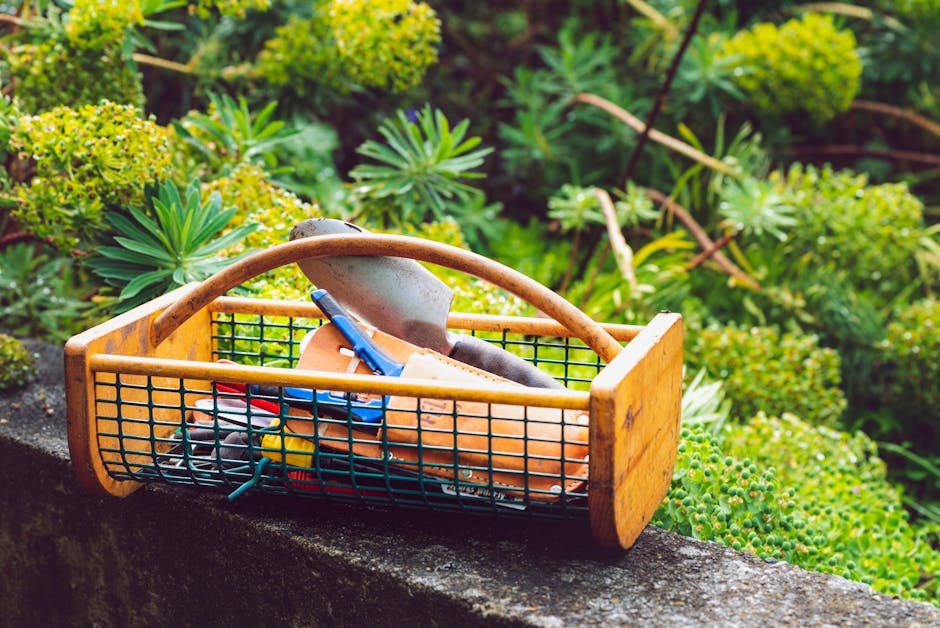
| Wheelbarrow or garden trug | Waste removal and transport | Speeds up clearance jobs |
| Mulch and compost | Soil improvement and moisture control | Supports plant health and reduces weeds |
| Pressure washer or patio cleaner | Hard surfaces and paving | Restores a cleaner, more professional finish |
| Inspection checklist | Routine reviews | Keeps maintenance consistent |
Some jobs are better outsourced, especially when height, power tools, or structural work are involved. A reliable gardening services team can help with the awkward, time-consuming, or technically risky tasks, while you keep control of the day-to-day routine.
If you are planning a bigger refresh, it can help to look at broader support too. Landscaping is useful when the layout itself needs improving, while fencing matters if the venue boundary is part of the overall look and security. For overgrown trees or branches close to access points, tree surgery is often the safer route.
Law, Compliance, Standards, or Best Practice
For venue garden maintenance, the most useful approach is to work to recognised UK best practice rather than guesswork. You do not need to overcomplicate it, but you do need to be sensible.
That usually means:
- keeping paths, steps, and access points free from obvious trip hazards;
- managing work at height carefully and only when it is appropriate;
- using tools and machinery in line with their instructions and the site conditions;
- protecting the public and workers from debris, slippery surfaces, and unstable branches;
- making sure waste is handled responsibly and site rules are followed;
- recording any recurring hazards so they are not forgotten next week.
In practical terms, a venue team should also think about insurance, safety, and terms of service before major works begin. These are not exciting topics, I know, but they prevent awkward surprises later. If you are unsure how a job should be approached, it is wise to review insurance and safety information and the site's health and safety policy before work starts.
For customer-facing work, clarity matters too. Having transparent expectations around service scope, payment, and dispute handling builds trust. The pages on pricing and quotes, payment and security, terms and conditions, and complaints procedure are the sort of background documents that support a professional job, even if nobody gets excited about them.
And yes, local environmental awareness matters too. In a city setting, keeping garden maintenance tidy and efficient reduces waste, avoids unnecessary disturbance, and helps a space feel better integrated into its surroundings.
Options, Methods, and Comparison Table
Not every venue needs the same style of upkeep. The right method depends on how the space is used, who is responsible for it, and how much seasonal pressure it gets.
| Maintenance approach | Best for | Strengths | Limitations |
|---|---|---|---|
| Basic reactive tidy-up | Very small spaces with light use | Cheap in the short term | Problems build up quickly |
| Scheduled routine maintenance | Most garden venues | Stable, predictable, neat presentation | Needs discipline and planning |
| Seasonal deep maintenance | Spaces that change dramatically through the year | Good for resets and major tidy work | Too slow if used alone |
| Hybrid in-house plus specialist support | Busier venues or complex gardens | Flexible, efficient, safer for technical work | Needs clear communication |
For most local gardeners, the hybrid model works best. Use regular checks for planting, litter, and light tidying. Call in help for heavy pruning, lawn restoration, surface cleaning, or anything structural. If you are trying to keep costs sensible, a measured approach usually beats trying to do everything in one go. The garden will forgive you for being practical. Sometimes.
Case Study or Real-World Example
Imagine a small venue garden used for community events and occasional private hires. The space has a narrow entrance, a paved sitting area, a few mixed borders, some climbers, and a lawn strip that gets more foot traffic than it should.
At first glance, nothing seems disastrous. But by mid-season, the path has grime at the edges, the hedge is softening the entrance line, the lawn has worn patches near the main route, and the climber is starting to crowd a signpost. Nothing dramatic. Just enough to make the garden feel a bit tired.
A sensible maintenance plan would not start with a full redesign. It would begin with:
- a thorough sweep and clean of paths and seating zones;
- selective hedge trimming to open the entrance;
- light pruning of climbers to restore structure;
- weeding and mulching in the beds;
- spot repair of lawn wear;
- a boundary check for any loose or weathered elements.
Within a short time, the space would feel easier to use and easier to maintain. The shift is often subtle. Guests stop hesitating at the path edge. Staff stop worrying about muddy patches. The whole place breathes a bit more.
That, in the end, is what good venue maintenance does. It makes the space feel like someone is looking after it properly, day after day, without fuss.
Practical Checklist
Use this as a working checklist for venue garden upkeep. Print it, copy it, scribble on it, whatever works.
- Inspect entrances, paths, and seating zones for hazards.
- Clear leaves, litter, and debris from all visible areas.
- Check hedges, climbers, and boundary growth for overreach.
- Remove dead, damaged, or diseased plant material.
- Water plants according to soil condition, not habit.
- Trim lawns before they become shaggy and uneven.
- Wash or sweep hard surfaces as needed.
- Review drainage after heavy rain.
- Look for signs of moss, algae, or compacted soil.
- Inspect fences, edging, and structural features.
- Log any repairs that need specialist attention.
- Finish with a final visual check from the main approach.
Expert summary: if you keep the structure, surfaces, and planting in sync, a venue garden stays presentable far more easily than if you treat it as one big annual job. Small and steady wins here.
Get a free quote today and see how much you can save.
Conclusion
A well-kept garden venue does more than look pleasant. It supports safer movement, better first impressions, and calmer day-to-day use. For local gardeners working around Hoxton Hall-style spaces, the smartest approach is steady maintenance, clear priorities, and seasonal common sense. Not everything needs a big intervention. Often, it just needs attention at the right time.
Focus on the basics first: paths, hedges, lawn condition, drainage, and structural boundaries. Then build the rest around those foundations. That is how you keep a venue garden useful, attractive, and easier to manage over the long run. And honestly, there is a quiet satisfaction in that. You can see it in the lines, the light, and the way people move through the space without thinking twice.
For a local gardener, that is the real win.
Frequently Asked Questions
What is a garden venue maintenance guide used for?
It is used to plan the upkeep of a garden that serves visitors, events, or shared use. The aim is to keep the space safe, tidy, healthy, and presentable without letting small issues build up.
How often should a venue garden be maintained?
That depends on use and season, but most venue gardens benefit from weekly light checks and regular scheduled work through the month. High-traffic spaces usually need more frequent attention than private gardens.
What are the most important jobs in venue garden maintenance?
The core jobs are clearing debris, checking for hazards, cutting back overgrowth, maintaining lawns, caring for borders, and cleaning hard surfaces. If a visitor would notice it immediately, it probably matters.
Should local gardeners handle everything themselves?
Not always. Routine care can often stay in-house, but larger pruning jobs, tree work, surface cleaning, and structural repairs are often better handled by specialists or a mixed approach.
How do I keep a venue garden looking good in winter?
Focus on leaf removal, drainage, wind protection, and pruning only where appropriate. Winter is also a good time to inspect boundaries, tidy hard surfaces, and prepare planting for the colder months.
What is the best way to manage hedges around a venue?
Keep hedges trimmed to the line needed for access and visibility. Regular shaping is easier than waiting for heavy correction, and it usually leaves the hedge looking healthier too.
Can patio and path cleaning really make that much difference?
Yes. Dirty paving can make a venue feel neglected even when the plants are in good condition. Clean hard surfaces improve both safety and presentation very quickly.
When should I call for professional help?
Call for help when work involves height, large branches, extensive overgrowth, or safety risks. If a task feels awkward or potentially unsafe, it is usually the right moment to step back and reassess.
What are the most common venue garden mistakes?
The usual mistakes are ignoring entrances, overwatering, pruning at the wrong time, leaving debris in corners, and trying to treat every area the same. Gardens are annoying like that; they notice everything.
How do I plan maintenance without overspending?
Use a steady routine, prioritise safety and access first, and reserve specialist work for the jobs that truly need it. Preventive care is usually cheaper than emergency fixes, especially in busy spaces.
Do I need to consider health and safety for small garden venues?
Yes. Even small venues can have trip hazards, slippery surfaces, unstable branches, or awkward access points. Good maintenance is part of good safety practice, not something separate from it.
Where can I get help if I want a tailored maintenance plan?
If you need a more structured approach, it makes sense to speak with a local gardening team that understands the space, the season, and the level of use. A bespoke plan is often the difference between constant catch-up and calm control.